It started with the berms
The grass on the berms is growing longer. Rates are rising, debt is climbing, and local services are being trimmed at the edges. The triple pressure on ratepayers is real — and so is the discipline available inside the existing framework to contain it.
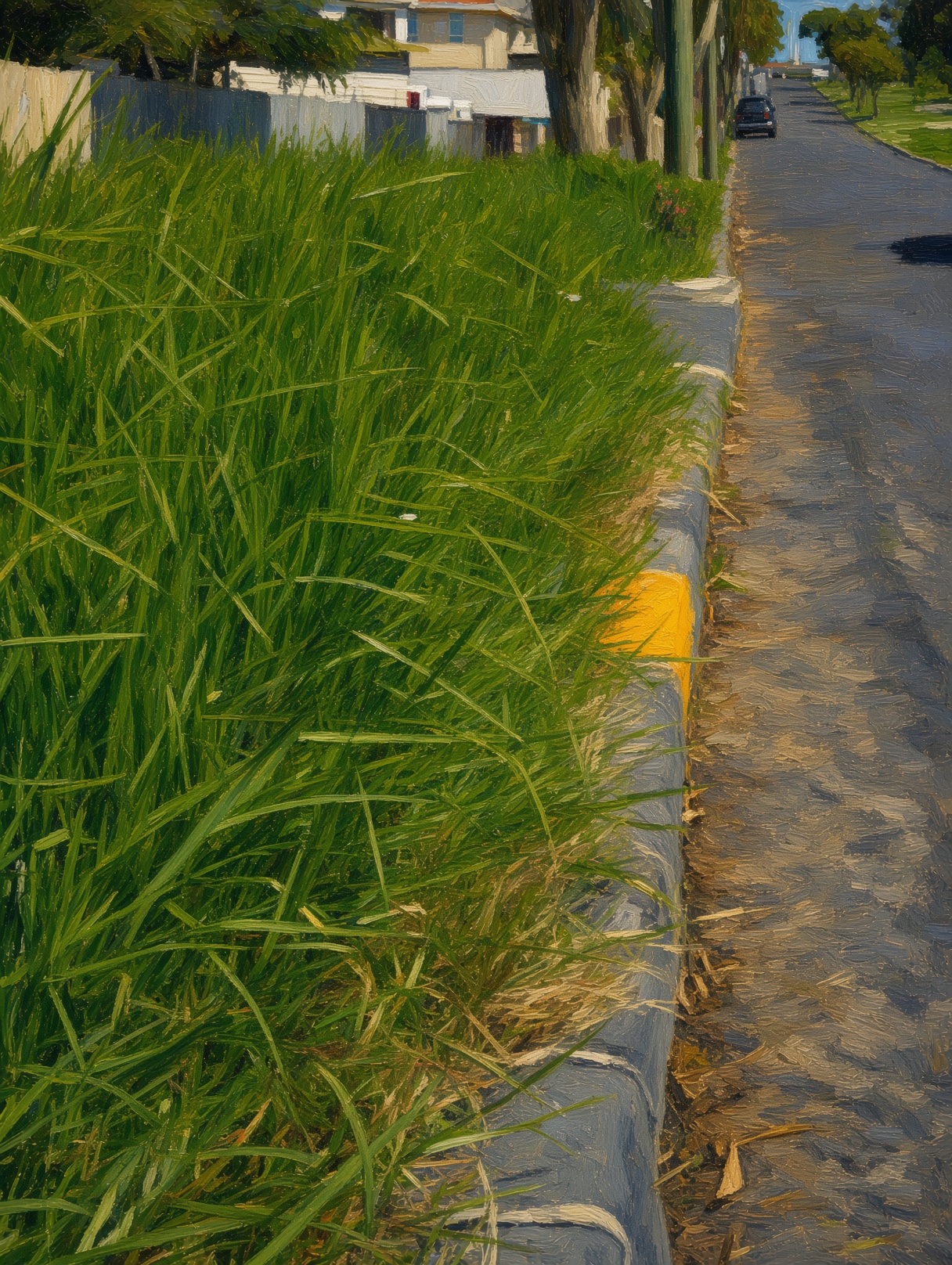
The grass on the berms is growing longer in parts of Auckland. What once looked tidy and regularly cut now sits a little higher between the footpath and the road. It is a small change, easy to overlook on a single street, yet it is one of the first visible signs of a wider shift. Ratepayers are paying more, the council's absolute debt continues to climb, and local services are being quietly trimmed at the edges. The three pressures arrive together and they feel personal.
The genuine cost pressures
Costs have been rising in ways no council can simply wish away. Construction prices climbed after the pandemic. Storm recovery brought sudden and large bills. Interest rates moved higher for a period. Labour, fuel, materials and long term maintenance contracts all became more expensive while the city kept growing. When a major piece of infrastructure such as the City Rail Link moves from construction into operation the annual cost of interest, depreciation and running the service lands as a real charge that must be met. Pipes, roads and flood works cannot be deferred forever without creating larger bills later. These pressures are genuine.
Against that background the Governing Body still made choices that added to the load. Scope on large projects expanded after the initial commitment. Supporting infrastructure for facilities that were meant to be largely self supporting, such as the extensive works at Colin Dale Park, drew more than fourteen million dollars of ratepayer funding over time for earthworks, drainage and power. These decisions were lawful and often well intentioned, yet they arrived at the same moment that everyday costs were already climbing.
The triple pressure ratepayers carry
The result is the triple pressure ratepayers now carry:
- Higher rates cover both the genuine inflation in day to day delivery and the operating consequences of earlier capital decisions.
- Debt rises in absolute terms because the city is still building the assets required for growth and resilience.
- Local service levels become the residual adjustment when the rates path and savings targets cannot absorb every pressure at once.
The berms grow longer. Opening hours shorten in some places. Contestable grants tighten. None of it is abstract and none of it is painless.
When timing makes spending unpalatable
What sharpens the frustration for many Aucklanders is the contrast between these everyday squeezes and the more discretionary elements that found their way into the City Rail Link. As rates climb to cover the project's ongoing operating costs, spending on art programmes, sculptural installations and other place making features inside the stations becomes harder to accept.
People understand that public art can enrich a city and that stations are more than pure engineering. Yet when household budgets are already stretched by higher rates and when the most basic local maintenance is being scaled back, those same expenditures start to feel like nice to haves that the city can no longer afford in the same way. The timing makes them unpalatable. What might have been viewed as civic pride a few years earlier now registers as tone deaf to households watching the grass grow longer on their street while their rates bill rises.
A practical way forward
There is a practical way forward that respects the reality of rising costs while refusing to treat them as an open licence for ambition.
- Publish full life cycle costs before the vote. Every major capital proposal above a clear threshold should carry a full life cycle cost that includes thirty years of operating and renewal expense, published before the Governing Body votes.
- Independent scope review. An independent review commissioned by the Audit and Risk Committee rather than the project team should test whether a leaner scope could deliver most of the benefit at materially lower cost.
- Ring fence minimum local service levels. Minimum local service levels should be ring fenced in the next Long term Plan so that genuine cost pressures trigger an open choice between a rates adjustment and a reallocation from lower priority regional spend rather than automatic trimming of community facilities.
- Let communities choose higher standards. Where a community wants a higher standard a targeted rate with a clear yes or no decision places the cost where the benefit is felt.
Rising costs are real. They will not disappear. What can change is the discipline applied when the city decides how much scope, how much debt and how much ongoing operating burden it is prepared to place on the people who pay the rates.
That discipline remains available inside the existing legal framework. It only requires the will to use it.
Join the discussion
Community members are invited to add perspective, evidence, or a sharp question. Be specific and keep it civil.