Making the Rail Network Safe
The City Rail Link opens on 13 September. The engineering is finished, but whether people use it after dark will be decided by visible, empowered presence on trains and in stations, not by cameras or opening-week theatre.
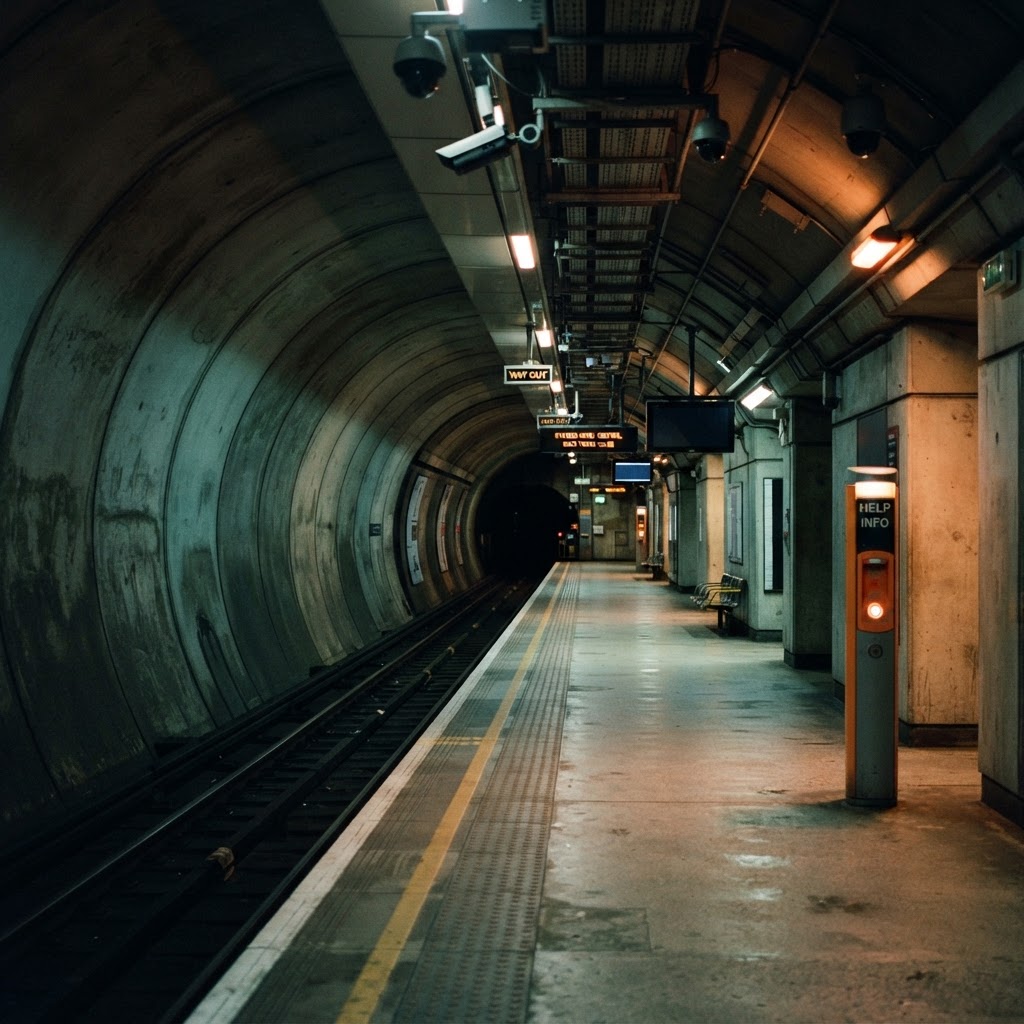
Auckland is about to open the most expensive piece of urban infrastructure this country has ever built. On 13 September the City Rail Link starts carrying passengers through new underground stations and a higher-frequency network. The tunnels will work. The trains will run. The question that will decide whether people actually use it is not engineering. It is whether a woman coming home from work, a parent with kids, or an older person at night feels they can stand on that platform and get on that train without looking over their shoulder.
That is not a soft issue. It is the demand problem. Reliability gets people to try the network. Safety decides whether they come back.
There are two kinds of safety and Auckland keeps mixing them up. Operational rail safety is trespass, level crossings, signals, fires, evacuations. That work is serious and, on the current evidence, reasonably well advanced. Emergency services have drilled the underground environment. Cameras, sensors, help points and the operations centre are in place. That is the part officials like talking about, because it can be tested and ticked off.
The other kind is the one that empties carriages. Aggression. Disorder. People who treat the station as a place to intimidate, deal, or take over space. In 2025 Auckland Transport recorded more than two thousand reported incidents of aggression, violence, racism, discrimination and inappropriate behaviour across buses, trains and ferries. That is not "a few bad nights." It is a standing condition of the network. High-profile attacks on buses already taught Aucklanders what happens when presence is thin and consequences are slow. The underground does not make that problem smaller. It makes response slower and the feeling of being trapped sharper.
Look at what is actually planned for day-to-day presence. Security staff and customer service people will be visible in the new stations. Transport Officers will work the network as they already do. Māori Wardens will appear on some night services. Police say they will be visible in busy CBD spaces, will work with station staff, and will put officers on trains at opening so the message is that it is safe to travel. Then they say a permanent dedicated presence is not sustainable.
That is the honest picture. Opening-week theatre, then demand-led response. The people on the platforms most of the time will not have arrest powers. They can de-escalate and they can call Police. In a tunnel forty metres down, "call Police" is not a plan. It is a delay.
New Zealand law does not let Auckland invent its own metro police force. The Policing Act 2008 keeps policing national and unitary. That is not an excuse to do nothing. The Commissioner can put a dedicated transit capability inside NZ Police without new legislation. Officers can be rostered onto priority stations and trains. Funding can be explicit instead of stolen from some other district. Auckland Transport can increase its own officers and stop pretending sixty people for the whole region is coverage. None of that requires a new badge or a three-year legislative circus.
What works elsewhere is not mysterious. Cities that treat the railway as a distinct environment put visible authority where people actually travel. Officers hold stations and ride trains at the hours that matter. Melbourne's station officers changed behaviour until they were pulled off lower-tier stops and offences rose. New York put more officers into the subway and crime fell as ridership recovered. London measures transit crime as its own problem, not as leftover general policing. The common ingredient is presence with power, not another camera and a press release.
Cameras matter. Auckland will have thousands of them, plus new ones in the CRL and AI to flag what operators should look at. Help buttons matter. Design matters: lighting, sightlines, staffed platforms, no tolerance for open disorder in the concourse. None of that replaces a person in uniform who can stop what is happening. Perception is built in seconds. A camera records. It does not stand next to you at 9.40pm at Karanga-a-Hape.
If the city wants people on this network, the sequence is simple and unforgiving.
First, put real Police on the system at opening and keep them there through the first months while habits form. Not two officers on a few trains. Enough presence on the new stations and on evening and late services that a passenger sees authority before they see trouble.
Second, treat Transport Officers and station security as the first layer, not the whole answer. Increase their numbers. Give them better tools and a clean, fast escalation path. Do not ask them to do a constable's job.
Third, publish numbers that cannot be spun. Disorder and crime per million passenger journeys. Response times into the underground. Independent surveys of whether women and night travellers feel safe. If those numbers are hidden, the safety claim is not serious.
Fourth, stop cycling the same people through the same stations. Visible policing without consequences is just expensive movement. Courts and the rest of the system have to back the front line or the same faces return next week.
Fifth, manage the stations as public rooms, not sculptures. An unstaffed, poorly watched platform will defeat a $5.5 billion tunnel. Staff it. Light it. Clear it.
Auckland will be told the network is safe because most journeys already pass without incident. That sentence is true and useless. People do not decide based on the average trip. They decide based on the one they fear. One ugly night in a new underground station will travel faster than any official reassurance.
The City Rail Link will open either as a system people trust after dark or as a daytime novelty that empties when the offices close. Emergency drills will not decide that. Opening-day ambassadors will not decide that. A camera feed in Ellerslie will not decide that. Visible, empowered presence on the trains and in the stations will.
There are twelve days. The engineering is finished. The safety case that still needs writing is the human one.
Join the discussion
Community members are invited to add perspective, evidence, or a sharp question. Be specific and keep it civil.