Protected on Paper: How Auckland's Strongest Heritage Rules Met a Vacant Building and a New Planning System
The former Carrington Hospital holds Auckland's highest heritage protections, yet sits vacant and deteriorating. The gap is not in the law but in its application, and a new planning system is about to narrow the window further.
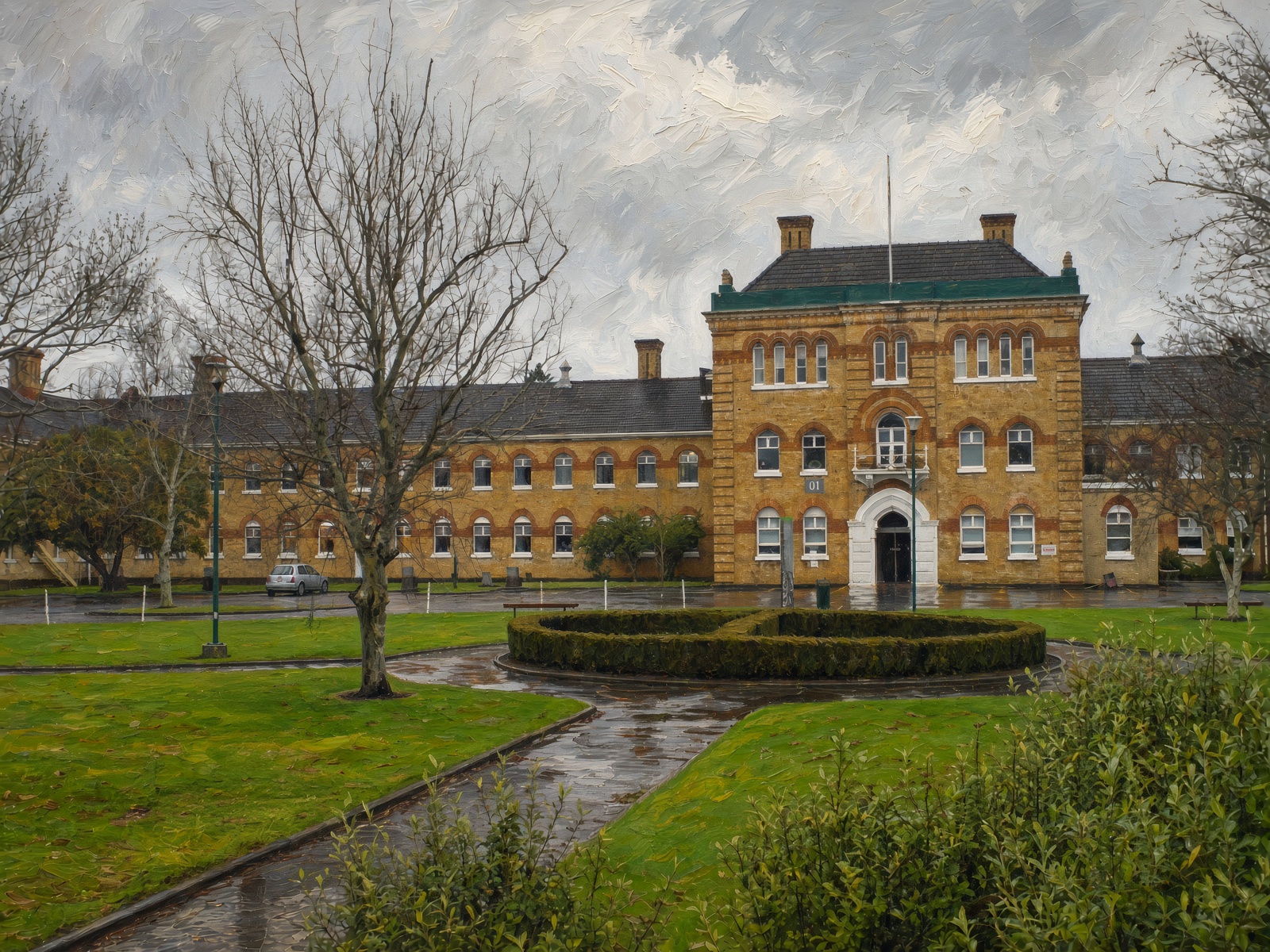
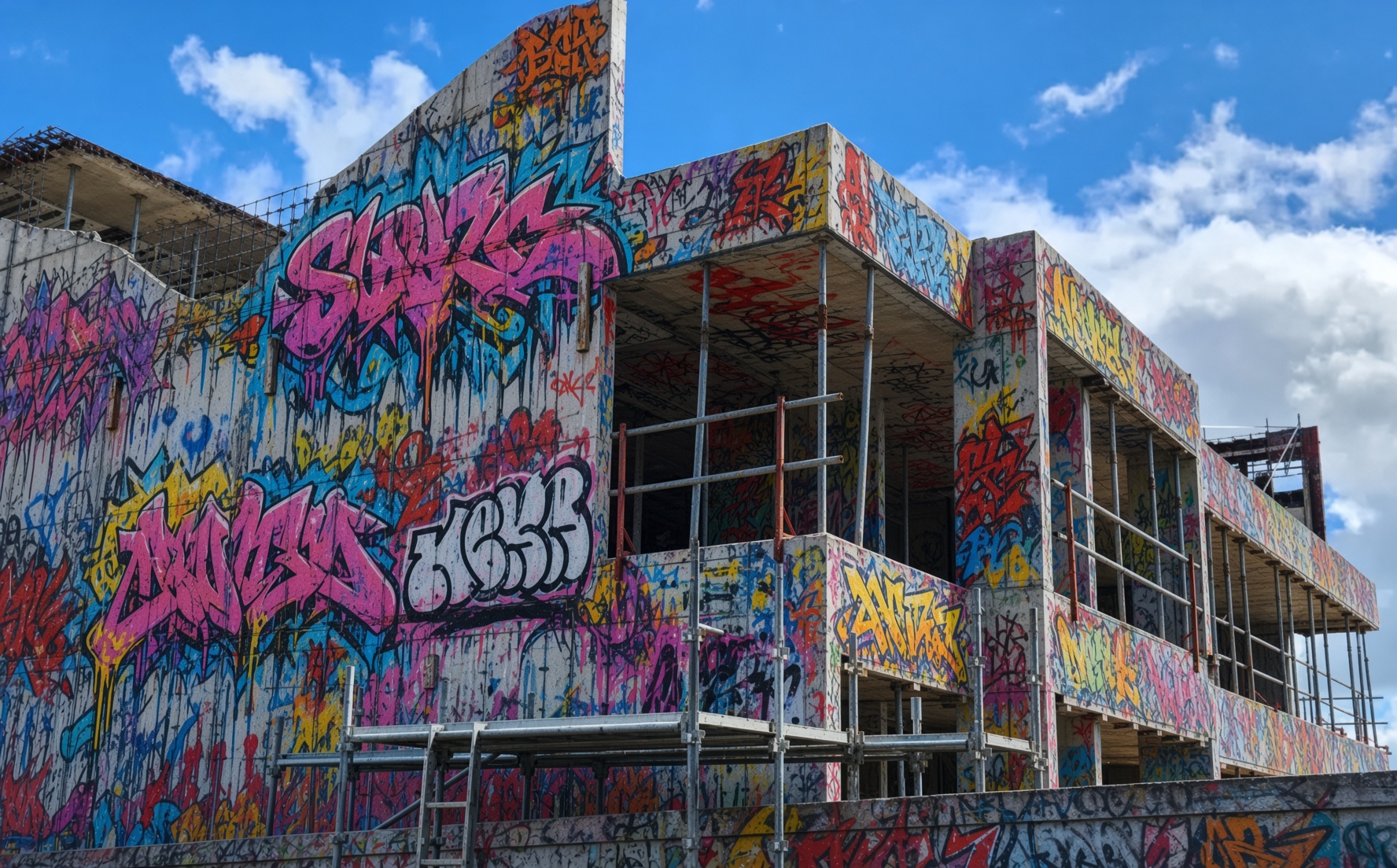
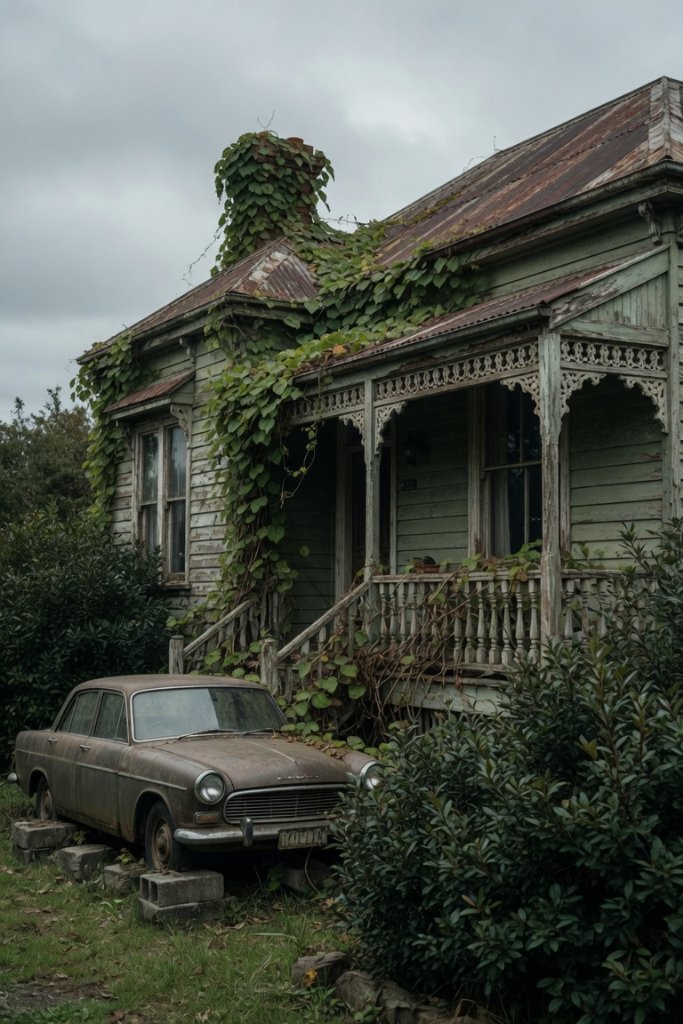
The former Carrington Hospital main building, known as Building One, stands on Carrington Road as one of Auckland's clearest examples of the difference between legal status and actual protection. Built in the mid-1860s as the Whau Lunatic Asylum, it is both a Category 1 Historic Place on the Heritage New Zealand Pouhere Taonga List and a Category A scheduled historic heritage place under the Auckland Unitary Plan. Category A is the highest tier the plan provides, reserved for places of outstanding significance well beyond their immediate surroundings. Its primary features are subject to rules that treat large-scale demolition as prohibited and substantial modification as non-complying. The Resource Management Act 1991 treats the protection of historic heritage from inappropriate subdivision, use and development as a matter of national importance. None of that has stopped the building from sitting empty for years, with boarded or smashed windows, missing roof tiles, water damage, graffiti and a fire in July 2026 that required multiple crews.
A century of use, then vacancy
The building was New Zealand's largest brick structure when it opened. James Wrigley's neoclassical design served as Auckland's principal psychiatric institution for more than a century before Unitec refurbished and occupied it for decades as the home of its School of Architecture and Design. That later use showed the roughly 8,500 square metre building could support contemporary activity. When Unitec left, roughly forty hectares of the wider site transferred to the Crown for the Te Kukūnga Waka residential development, a Treaty of Waitangi redress project expected to deliver around four thousand homes. Development rights sit with the three rōpū of Marutūāhu, Ngāti Whātua and Waiohua-Tāmaki, with Marutūāhu partnering Ockham Residential on substantial portions. Official material states that the main building will be adapted for reuse. In practice the response has been reactive boarding, security and the partial demolition of later wings under consent for a new access road. Penman House was demolished in 2025. Auckland Council has issued notices under the Property Maintenance and Nuisance Bylaw requiring the owners to secure entry points, with potential fines of up to twenty thousand dollars, yet officers have noted that determined access through roof openings exceeds what can reasonably be required.
The legal tools that exist
The legal tools that exist are strong against deliberate destruction and weaker against neglect. Under the Unitary Plan's D17 Historic Heritage Overlay, demolition or destruction of seventy per cent or more by volume or footprint of a primary feature of a Category A place is prohibited. Lesser but still substantial demolition is typically non-complying. Relocation of primary features outside the Extent of Place is prohibited. Modifications beyond simple like-for-like maintenance require resource consent. Maintenance and repair that meets the plan's standards is generally permitted. The Regional Policy Statement directs that significant adverse effects on the primary features of Category A places must be avoided. Resource consent applications that affect the place or its Extent of Place can be conditioned to require conservation plans, heritage specialist oversight, seismic pathways or adaptive-reuse milestones. Breaches of the plan or consent conditions can be met with abatement notices or prosecution under the Resource Management Act, with substantial maximum penalties. The bylaw supplies a faster route for public-safety and access issues. Heritage New Zealand can negotiate voluntary covenants registered on title but cannot compel them. The Building Act allows action if a structure is assessed as dangerous or insanitary, with heritage values able to influence how compliance is achieved but not preventing it.
A gap in application, not in statute
These tools have not been applied to their full extent at Carrington. The framework is built primarily to control active demolition, relocation and major modification. It does not impose a robust ongoing duty to weatherproof a vacant building to a conservation standard. Passive deterioration can still be addressed through the Resource Management Act where it produces significant adverse effects on the heritage values of a Category A place, read against section 6(f) and the objectives and policies in the Regional Policy Statement and D17, and through the bylaw where public risk is clear. Future consent applications for later stages of the development remain the strongest practical leverage point for locking in weatherproofing, a certified conservation management plan and either a registered covenant or enforceable conditions that secure the adaptive-reuse commitment already made. That sequence—secure and weatherproof now, condition future consents, enforce if required—does not need new legislation. It requires the parties who control the site and the consent authority that already holds the powers to use them.
The new planning system
The arrival of the Planning Act 2026 and Natural Environment Act 2026, which received royal assent on 30 September 2026, does not instantly alter this picture. A transition period begins on 30 October 2026 and is expected to run until approximately 2030, with a hard backstop four years after assent. During the transition the Resource Management Act and existing plans, including the Auckland Unitary Plan's Category A rules, continue to govern day-to-day consenting and enforcement. Limited amendments take effect from the start of the transition, narrowing the range of effects that must be considered in some residential matters, but with an express exception where the protection of historic heritage is engaged. The 2025 amendment that already permits a streamlined planning process to de-schedule heritage buildings also remains available. Plan-making shifts toward the new system, and most new or amended plans under the Resource Management Act are paused.
Once the new system is fully operational the direction changes more substantially. Protection is framed around "sites of significant historic heritage" rather than the wider set of character and amenity controls that currently operate. When new Land Use Plans and Regional Spatial Plans are prepared, existing Category A scheduling will be re-evaluated against the new national policy direction and the goals of the Planning Act, which place greater weight on enabling development and infrastructure. A regulatory relief mechanism requires councils to assess and mitigate the impact of significant restrictions, including heritage rules, on the reasonable use of private land. De-scheduling or reducing the intensity of controls becomes procedurally easier. Special character areas are expected to lose most of their current force. For a vacant Category A building the practical consequence is staged. Through the transition the existing prohibited and non-complying status for substantial demolition of primary features, the ability to impose conditions, and the bylaw and Resource Management Act enforcement powers remain intact. After full commencement the strength of protection will depend on whether the place continues to meet the "significant historic heritage" threshold in the new instruments. If it does, the controls can be carried forward, but the regulatory relief provisions create a new lever for arguments that the restrictions are overly burdensome. If the threshold is applied more tightly, the risk of reduced protection rises relative to the current Unitary Plan.
A closing window
Carrington therefore sits inside a closing window. The Category A rules that make wholesale destruction of its primary fabric extremely difficult remain operative for several more years. The official commitment to adaptive reuse already exists. The tools to require immediate weatherproofing, a conservation plan and binding conditions or a covenant are already available under the Resource Management Act, the Unitary Plan and the bylaw. Once the new plans are notified and decided, the baseline against which those measures are assessed will be more selective and more conscious of the cost of restriction. The difference between the legal status the building already holds and the condition it has been allowed to reach is not a gap in the statute. It is a gap in the application of the tools the statute supplies, measured against a planning system that is about to become less forgiving of vacant, deteriorating Category A places.
Join the discussion
Community members are invited to add perspective, evidence, or a sharp question. Be specific and keep it civil.
No comments yet. Be the first to weigh in.