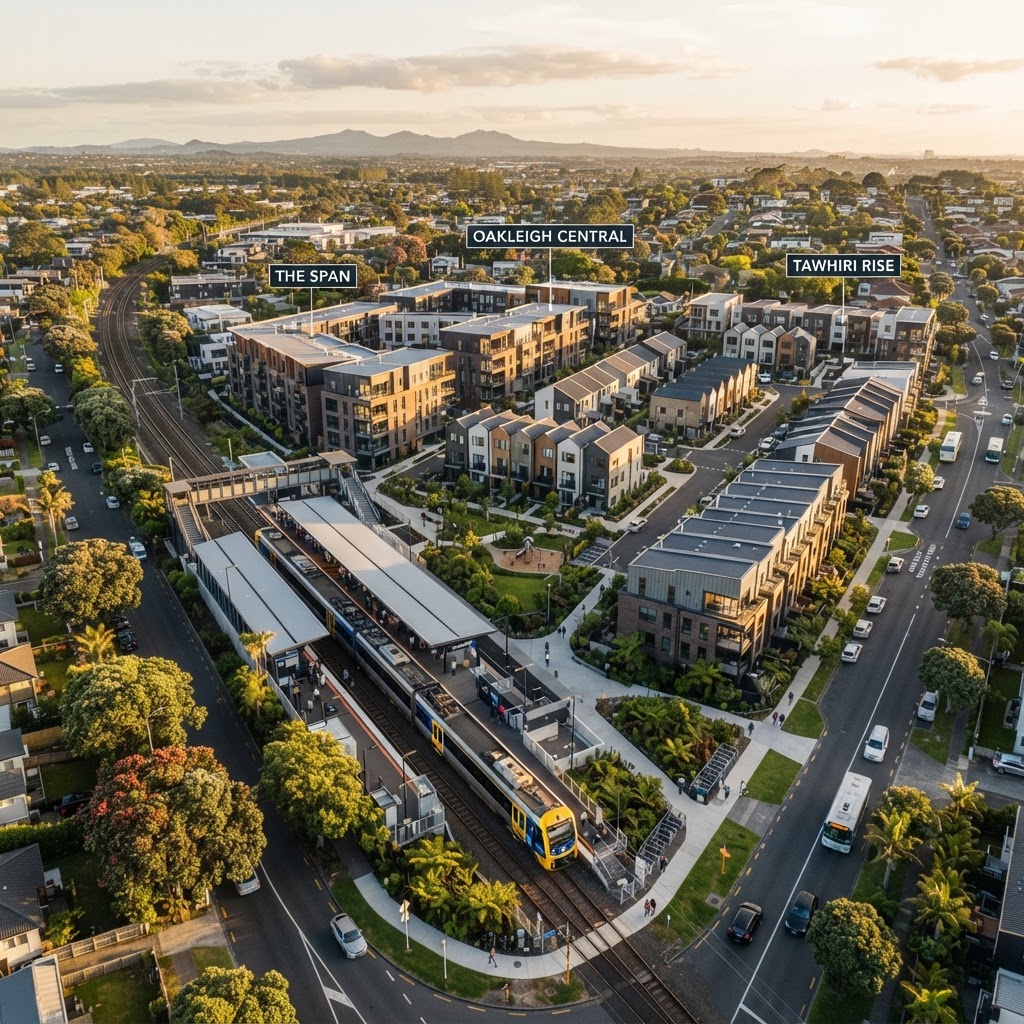
Auckland Councillors Push Back Against Overreach: Defenders of Neighbourhood Character Secure Measured Approach to Housing Intensification
At the 9 June 2026 planning committee, councillors resisted more aggressive PC120 upzoning and chose to consult local boards and iwi on both scenarios.
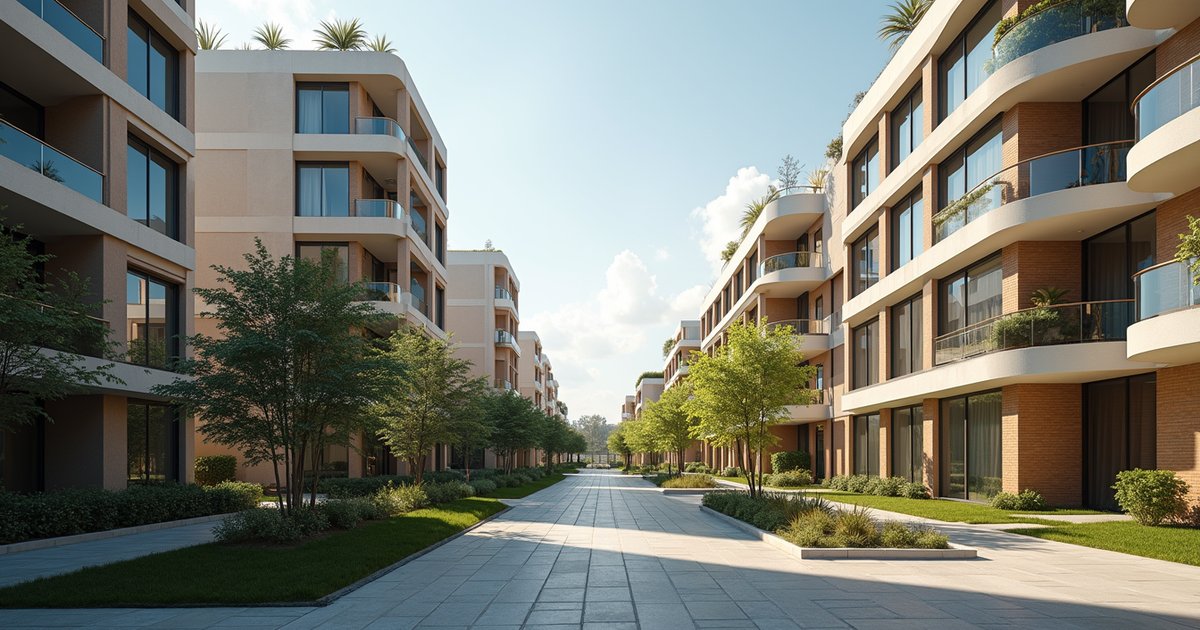
Councillors Push Back Against Overreach
In the Auckland Council Policy, Planning and Development Committee meeting on June 9, 2026, a group of councillors successfully resisted calls for more aggressive upzoning under Plan Change 120 (PC120: Housing Intensification and Resilience). The committee decided to consult local boards and iwi on both Scenario A — the bare legal minimum — and Scenario B, a slightly broader option. This outcome emphasises a balanced approach: prioritising liveable suburbs, parks, tree canopy, parking access for small businesses, and community cohesion alongside targeted housing growth.
Standing firm
Leading the efforts for a measured response were councillors who supported limiting changes primarily to essential government requirements, protecting existing neighbourhoods from broader disruption.
Councillor Daniel Newman (Manurewa-Papakura) moved the amendment for Scenario A only. He highlighted the substantial underused capacity already available in the Auckland Unitary Plan and questioned the need for aggressive zoning changes aimed at significantly impacting house prices. Councillor Matt Winiata (Manurewa-Papakura) seconded the amendment, supporting the least disruptive path that respects local infrastructure limits and avoids widespread rezoning. Councillor Maurice Williamson (Howick) noted that the current Unitary Plan already provides meaningful growth opportunities.
The amendment for Scenario A only was defeated 10-12. Although narrowly lost, their input ensured the more cautious Scenario A remains part of the consultation process. This helps prevent a default move toward wider 6-storey zoning along bus corridors or taller buildings near additional stations.
The counter side
Councillors such as Committee Chair Richard Hills, Mayor Wayne Brown, Julie Fairey, and Shane Henderson advanced the resolution for consultation on both scenarios. They supported elements of Scenario B, focusing density near transit, which they described as pragmatic. The main resolution passed via voice vote, with Councillor Christine Fletcher abstaining.
The legal framework
The process operates under the Resource Management Act 1991 (as amended by the Resource Management (Consenting and Other System Changes) Amendment Act 2025). This framework allows councils to adjust PC120 to align with the government's reduced housing capacity target (around 1.4 million homes), while maintaining stronger natural hazard protections. Steps since this meeting:
- Local boards and iwi authorities were asked for feedback on both scenarios.
- On 21 July 2026 the Policy, Planning and Development Committee approved proposed changes to PC120 for public notification.
- A further public submissions period followed and closed on 24 September 2026 (existing submissions remain valid unless withdrawn).
- Review by an Independent Hearings Panel.
- Final council decisions anticipated in mid-2027.
Submissions should address statutory requirements under RMA sections 31 and 32, consistency with the National Policy Statement on Urban Development (NPS-UD) Policy 3, and evidence regarding transport modelling, economic impacts, social return on investment, and environmental considerations such as tree canopy.
Actionable next steps
- Contact your local board to provide input on preferences for Scenario A, supported by data from Unitary Plan uptake reports and infrastructure studies.
- Prepare submissions that reference technical reports on capacity, delivery challenges, and community effects.
- Reach out to relevant councillors with examples specific to local wards, such as parking on Dominion Road or field capacity at Keith Hay Park.
- Utilise platforms like the City Builders Association for coordinated, balanced feedback.
Updated 22 October 2026.
Join the discussion
Community members are invited to add perspective, evidence, or a sharp question. Be specific and keep it civil.
No comments yet. Be the first to weigh in.
Written by Mark Pervan, Director, City Builders Association Limited
Mark Pervan is the founder and director of City Builders Association Limited, an Auckland civic think tank funded solely by membership. He has run manufacturing plants, with global sourcing and supply chain management in the same role, and has been project manager on multiple commercial and residential building projects. He was also responsible for product design and development across multiple mediums, and served as sales and marketing manager. He is a company director and business owner, including as a director of Idea Foundry. He served three years as an elected member of the Puketāpapa Local Board (2022–2025) and was a council candidate for the Albert-Eden-Puketāpapa ward of Auckland Council.
Mark on LinkedIn