That Monster House Children Avoid on the Street
An empty, decaying house can frighten a street, but fear alone is not enough. The Property Maintenance and Nuisance Bylaw and Building Act set a high bar.
That Monster House Children Avoid on the Street
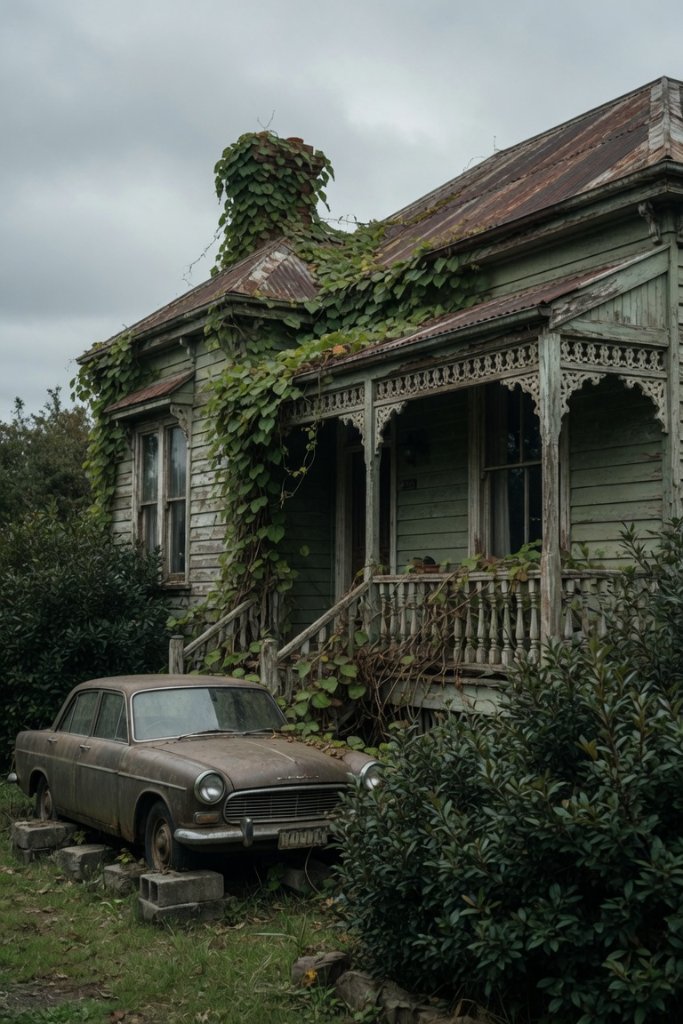
That monster house children avoid on the street looms empty with shattered glass, sagging fences and a garden gone wild that whispers danger to every passer-by. Kids cross to the other side without being told and adults lower their voices when they walk past. In Auckland the law still refuses to act on fear alone.
The bylaw that almost reaches the problem
The Property Maintenance and Nuisance Bylaw 2015 forces the owner of any abandoned or unoccupied building to lock it against public entry and control materials so pests and strong odours cannot take hold — yet the bylaw turns its back on pure appearance. Overgrown weeds, broken windows and the general menace of neglect sit outside its scope.
A clear report lodged with Auckland Council on 09 301 0101 or through the online tool will start an investigation, but the first step is almost always a quiet letter to the owner, and the wait that follows can stretch for months.
When the law brings real power
Only real danger or health risk brings real power. Section 121 of the Building Act 2004 calls a building dangerous when ordinary events make injury, death or damage to other property likely, or when fire would do the same. Section 123 brands it insanitary when disrepair, dampness, missing water or absent sanitary facilities make the place offensive or harmful to health.
Once Auckland Council accepts those tests it pins a written notice to the structure demanding work inside a minimum of ten days. Ignore the notice and the owner faces an offence with fines that can climb into the hundreds of thousands for a person and past a million for a company. Council can then ask the District Court for permission to do the repairs itself and place every dollar spent as a charge on the land title. If collapse or fire threat is immediate, the chief executive can issue a warrant under section 129 and move without warning.
Paper power meets hard reality
Council staff are few and they rank proven risk far above neighbourhood dread. A house that merely looks like a monster often stays that way while the owner stays silent or cannot be found. No neighbour has the right to climb the fence, board the windows or clear the yard — that act is trespass and can become criminal damage.
Claims in court for private nuisance exist, but judges demand proof of real interference with the use of your own land, and simple visual threat almost never clears the bar. Rates keep falling due no matter how empty the place sits, and after two years of unpaid rates Council can chase a rating sale, while three years of unpaid rates plus an owner who cannot be traced can open the door to an abandoned land sale under the Local Government Rating Act 2002. Both paths need court orders, public notices and long delays.
Nothing changes without hard proof
Take dated photographs of open doors, broken locks, clear signs of rats or damp and structural cracks. Keep a written trail of every report made. Soft complaints about the monster look of the place are set aside — aim only at the legal tests for danger, insanitary conditions or bylaw breaches and keep the pressure on.
That monster house children avoid on the street will not heal itself, and the system will not answer to collective unease. It answers only to verifiable risk, delivered with evidence and steady follow-through.
Join the discussion
Community members are invited to add perspective, evidence, or a sharp question. Be specific and keep it civil.
No comments yet. Be the first to weigh in.
Written by Mark Pervan, Director, City Builders Association Limited
Mark Pervan is the founder and director of City Builders Association Limited, an Auckland civic think tank funded solely by membership. He has run manufacturing plants, with global sourcing and supply chain management in the same role, and has been project manager on multiple commercial and residential building projects. He was also responsible for product design and development across multiple mediums, and served as sales and marketing manager. He is a company director and business owner, including as a director of Idea Foundry. He served three years as an elected member of the Puketāpapa Local Board (2022–2025) and was a council candidate for the Albert-Eden-Puketāpapa ward of Auckland Council.
Mark on LinkedIn